Influencers Who Have Been Cancelled in 2026
Who got dropped. What they did. And whether the internet ever actually forgave them.
The influencer marketing industry is on track to surpass $40 billion in 2026 (source: Ringly.io / Influencer Marketing Hub). More money means higher stakes — and when a creator slips up, brands, fans, and algorithms all react fast. This article covers real influencers, real scandals, and verified outcomes. No speculation, no padding.
The internet has a long memory and zero patience. One viral clip, one resurfaced tweet, one messy brand deal — and a creator who spent years building their audience can lose it almost overnight.
That is the brutal reality of influencer culture in 2026. Below is the most complete, fact-checked list of influencers who faced cancellation — updated with where they stand today.
Why Do Influencers Get Cancelled in 2026?
Cancel culture is not random. According to a breakdown by VidPros, there are three consistent reasons a creator’s career collapses:
-
1
Offensive behaviour or comments. Racist, sexist, or bullying content — whether old or new — triggers mass unfollows and brand exits fast.
-
2
Personal scandals. Emotional abuse allegations, toxic relationship behaviour, or legal trouble that leaks publicly.
-
3
Unethical practices. Undisclosed ads, product fraud, misleading health claims, and financial scams aimed at fans.
In 2026, audiences are also holding creators to a higher standard on authenticity. As NoGood’s newsletter noted, the “aware consumer” now actively scrutinises constant wealth-flexing, undisclosed ads, and tone-deaf messaging — and walks away when it does not add up.
Source: Compiled from VidPros, HireInfluence, NoGood analyst reports 2025–2026
The Full List of Cancelled Influencers in 2026
These are the creators who faced significant public backlash, brand drops, or platform consequences. Each entry includes what happened and where they are today.
| Platform | YouTube (20M+ subscribers at peak) |
| Cancelled | 2020 — resurfaced again 2025–2026 |
| Reason | Racist content, blackface, jokes about minors |
| Consequence | Lost ~700,000 subscribers; brands cut ties; books dropped from stores |
| Status 2026 | Rebuilding — smaller audience, new podcast + unreleased pilot “CANCELLED” |
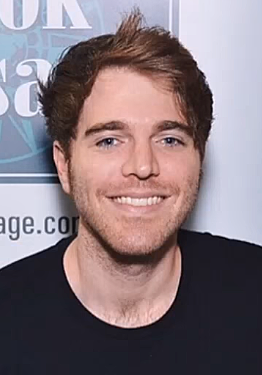
Shane Dawson was one of YouTube’s original mega-creators. His downfall came in 2020 when a wave of resurfaced content — blackface sketches, racist impressions, and highly inappropriate jokes about minors — circulated widely. The backlash was severe. YouTube demonetised his channels, brands exited deals, and his book publisher dropped titles from shelves.
By late 2025, Dawson had filmed a pilot for a show called CANCELLED, which he described as a passion project he had “dreamed about.” He has been pitching it to streaming services, but as of June 2026, no deal has been confirmed. His YouTube presence is smaller but still active, and opinions on his return remain divided.
⚡ Slowly Rebuilding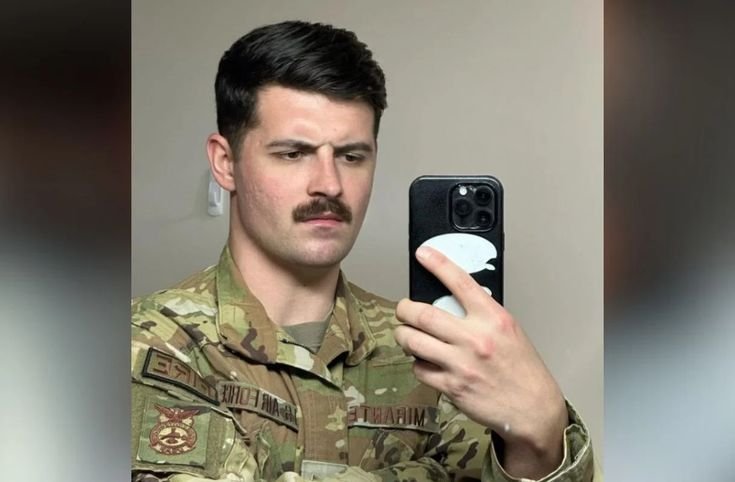
| Platform | TikTok / Podcast (“Pretty Funny” with Brynne Marie) |
| Cancelled | March 2024 (extended into 2026) |
| Reason | Wood-burning stunt during California wildfires; divisive political posts |
| Consequence | Public backlash; personal relationship fallout made public |
| Status 2026 | Cancelled — Brynne Marie announced their breakup on TikTok in January 2026 |
Mario Mirante’s cancellation started with something genuinely reckless: a wood-burning segment that audiences saw as deeply insensitive given California’s active wildfire crisis at the time. The backlash was immediate.
In 2025 he posted politically divisive content, reigniting criticism. Then in January 2026, his co-creator and partner Brynne Marie publicly announced their two-year breakup via TikTok, turning what was already a rocky reputation into full public drama.
✗ Currently Cancelled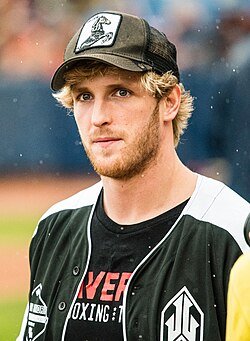
| Platform | YouTube (23M+ subscribers) |
| Cancelled | 2017 (Japan forest video) — ongoing controversies |
| Reason | Filmed and mocked a suicide victim; later PRIME hydration lawsuits |
| Consequence | Dropped from YouTube’s Google Preferred ad tier; widespread boycotts |
| Status 2026 | Career pivot — still active; PRIME brand faces ongoing scrutiny |
Logan Paul’s original scandal was one of the most-discussed influencer controversies in history. In 2017 he uploaded a video from Japan’s Aokigahara forest that included footage of a deceased person, complete with jokes. YouTube dropped him from its top ad tier almost immediately.
Paul did not disappear. He pivoted to boxing, WWE, and launched PRIME Hydration. But controversies kept following the brand — including regulatory scrutiny over caffeine levels in products marketed to children. His is one of the most prominent examples of an influencer reinventing a tarnished brand rather than walking away.
✓ Came Back (via Pivot)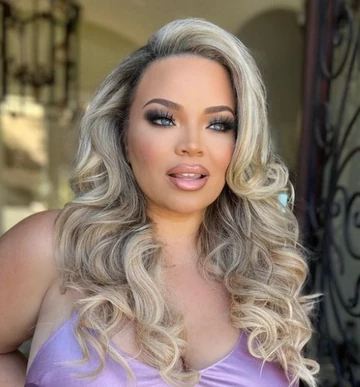
| Platform | YouTube / TikTok / Instagram |
| Cancelled | Multiple times across 2019–2025 |
| Reason | Mocking mental illness; bullying underage creators; content harassment |
| Consequence | Multiple waves of unfollowing; brand deal losses |
| Status 2026 | Still posting; solo podcast launched 2023; ongoing fanbase |
Trisha Paytas is arguably the most frequently cancelled creator on this list — and the most resilient. They have faced backlash for mocking mental illness, roleplaying as physically abusive, and targeting younger creators including the D’Amelio sisters.
In a 2025 interview with Elle, Paytas said: “I feel like I’m always going to just keep going forward, and that’s all I can do. I’m just happy to keep going.” Their solo podcast Just Trish is still running, and they continue to perform sold-out live shows.
✓ Survived (Multiple Cancellations)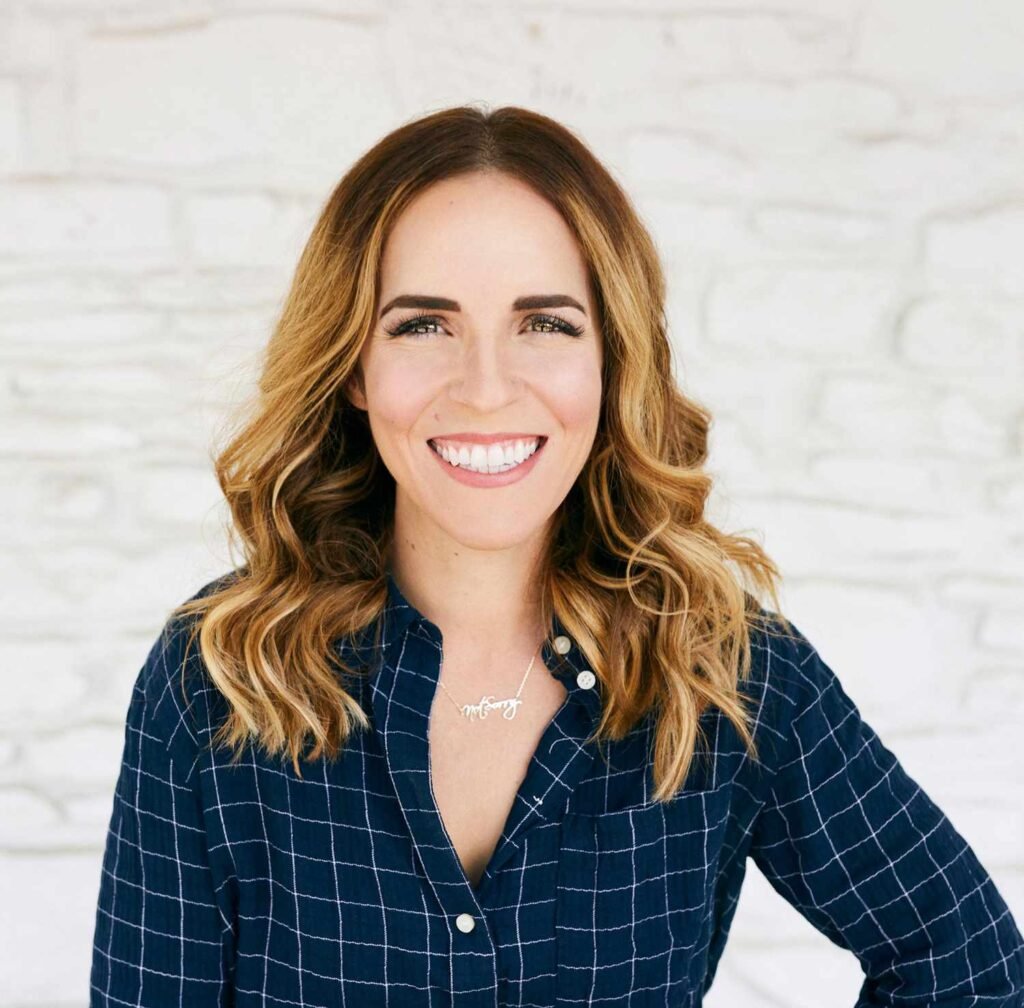
| Platform | Instagram / YouTube |
| Cancelled | April 2021 (ongoing legacy damage) |
| Reason | Dismissed criticism by comparing herself to Harriet Tubman, RBG, and Marie Curie |
| Consequence | Massive audience loss; brand reputation collapse |
| Status 2026 | Largely inactive publicly; audience never fully recovered |
Rachel Hollis was a bestselling self-help author and lifestyle influencer whose scandal came from a since-deleted video. When a commenter called her “privileged AF,” Hollis doubled down — bragging about her lifestyle and comparing herself to Harriet Tubman, Ruth Bader Ginsburg, Marie Curie, and Oprah. The comparison to Tubman — an enslaved woman who risked her life for others — struck many as deeply disrespectful.
The backlash was fast and damaging. This is a strong example of what researchers call the “tone-deaf” cancellation type — not a crime, but a complete failure of social awareness from someone whose brand was built on relatability.
✗ Career Largely Stalled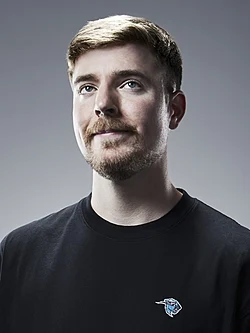
| Platform | YouTube (330M+ subscribers) |
| Cancelled | 2024 — allegations resurfaced |
| Reason | Allegations of hiring people with sex-offence histories; employee mistreatment claims |
| Consequence | Brand scrutiny; public apology issued; investigations ongoing |
| Status 2026 | Still the platform’s largest creator; acknowledged issues; promised reforms |
MrBeast is YouTube’s biggest creator by subscriber count. In 2024 a former employee named “DogPack 404” released a documentary-style series alleging that the operation had hired people with histories of sexual misconduct and that employees faced mistreatment.
MrBeast issued a public apology and promised changes for 2026. His channel size largely insulated him from a full cancellation. But the allegations remain part of the public record and are referenced whenever his brand partnerships come up.
⚡ Survived But Scrutinised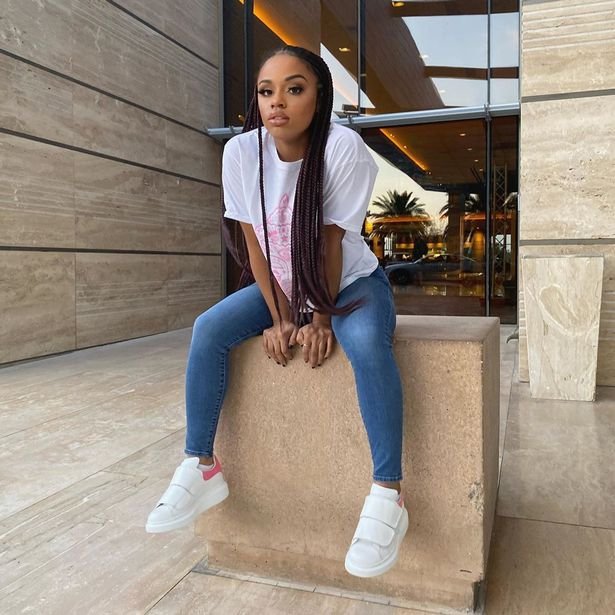
| Platform | Instagram / TikTok |
| Cancelled | Early 2026 |
| Reason | Called out NBA YoungBoy publicly over child expenses; went viral joking about “getting a job for fun” |
| Consequence | Widespread mockery; perceived as out-of-touch |
| Status 2026 | Still posting; reputation damaged with mainstream audiences |
In early 2026, Iyanna Mayweather made headlines by publicly calling out NBA YoungBoy over her son’s birthday expenses. Shortly after, she went viral for joking she was “bored” and thinking of getting a job “for fun.” To many followers it came across as a textbook example of wealth insensitivity — exactly the type of behaviour NoGood’s consumer accountability report warned brands about in 2026.
⚡ Reputationally Damaged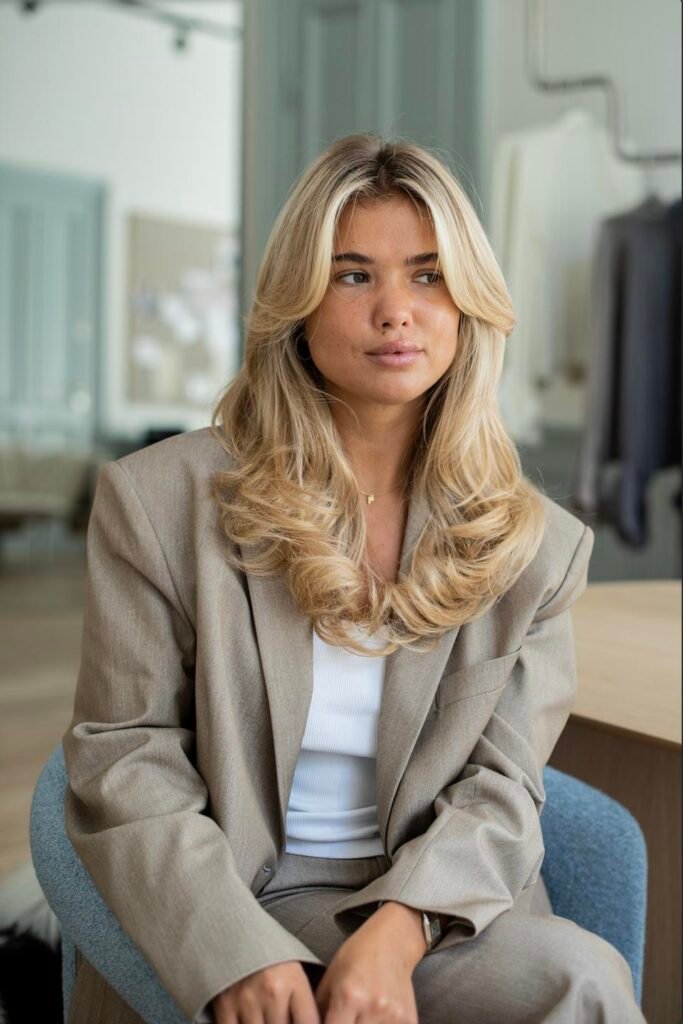
| Platform | Instagram / TikTok |
| Cancelled | 2024–2025 |
| Reason | Former employees alleged toxic workplace behaviour; brand values clash |
| Consequence | Consumer boycott of Djerf Avenue clothing brand |
| Status 2026 | Brand under pressure; still operating but trust damaged |
Matilda Djerf built a fashion brand — Djerf Avenue — on the pillars of inclusivity, sustainability, and kindness. It made the 2023 Forbes 30 Under 30 list and generated roughly $34.5 million in revenue in 2022 alone.
Then came allegations from former employees about a toxic workplace culture that contradicted the brand’s public values. Fans began boycotting. Her situation is one of the clearest recent examples of what happens when an influencer-led brand’s internal reality conflicts with its public messaging. The brand is still operating in 2026, but rebuilding trust takes much longer than losing it.
⚡ Brand Under PressureSide-by-Side Scandal Comparison
Here is a direct comparison of the biggest cases covered above — ranked by severity of consequence.
| Influencer | Scandal Type | Brands Dropped? | Platform Action | Severity |
|---|---|---|---|---|
| Shane Dawson | Racist content / inappropriate jokes | Yes — multiple | Demonetised | High |
| Logan Paul | Filmed suicide victim | Yes — dropped from Preferred tier | Ad tier removal | High |
| MrBeast | Workplace allegations / misconduct hires | Partial scrutiny | None direct | Medium |
| Trisha Paytas | Harassment / mental illness mockery | Some | None direct | Medium |
| Rachel Hollis | Tone-deaf wealth behaviour | Yes — lost brand relevance | None direct | Medium |
| Matilda Djerf | Toxic workplace allegations | Consumer boycott | None | Medium |
| Mario Mirante | Insensitive content + political posts | Unclear | None direct | Lower |
| Iyanna Mayweather | Out-of-touch behaviour | No | None | Lower |
What Happens to Their Brand Deals?
Brands react fast. According to HireInfluence’s 2026 analysis, the stakes for brands have never been higher — creator deals are now embedded in paid media, affiliate pipelines, and product launches.
- Brands typically pull deals within 24–72 hours of a scandal going viral.
- Platforms like TikTok and YouTube are quicker to pause monetisation when controversy escalates.
- Regulators are watching undisclosed ads and misleading promotions more closely than ever in 2026.
- “Viral” can feel like a growth strategy until it becomes a liability — and that shift can happen in hours.
- Even after a creator apologises, brands rarely return to the same deal structures. Trust is rebuilt on different terms, if at all.
“What makes these scandals lasting is not just the behaviour itself, but how rapidly trust collapses once receipts spread.”
— HireInfluence, Biggest Influencer Scandals 2026The Fyre Festival case — though older — is still referenced in 2026 as the benchmark for how influencer-sold experiences can destroy brand credibility permanently. It is referenced every time a campaign sells an experience that cannot be audited upfront.
Can Cancelled Influencers Come Back?
Yes — but not all of them, and not quickly. Here is what the data and case studies show:
- A generic “I’m so sorry” apology video rarely works. Audiences in 2026 expect accountability with specifics.
- Returning too fast — before the news cycle has cooled — usually backfires.
- Pivoting to a new niche (like Logan Paul into boxing) can rebuild an audience, though not always the same one.
- A brand that was built entirely on “relatability” is almost impossible to rebuild after a tone-deaf scandal.
- Creators who stay gone for 6–12 months tend to return to a more forgiving audience than those who rush back.
As captionvibez.com summarises it well: “The internet doesn’t forget. It just waits.” The window for a comeback exists — but it requires the creator to genuinely change, not just reframe.
Source: Compiled from VidPros, Bored Panda, captionvibez.com analysis 2024–2026
Frequently Asked Questions
VidPros — Cancelled Influencers & YouTubers 2026 · HireInfluence — Biggest Influencer Scandals · DeMilked — Famous Influencer Scandals · Bored Panda — Careers That Tanked · Ringly.io — Influencer Marketing Stats 2026 · NoGood — Consumers Holding Brands Accountable 2026
Alex Rivera is a content writer with a Bachelor’s degree in Journalism and Mass Communication and over two years of experience. He writes for Why Influencers Gone Wild, covering influencer culture, social media trends, viral stories, and the creator economy.