Exploring VR Technology in 2026
Virtual reality has moved past the early hype. Today it sits in living rooms, training rooms, and entertainment spaces as a practical tool. This article walks through what VR is, how it works, the hardware that powers it, mixed reality options, streaming, privacy questions, and where digital entertainment fits in. The goal is simple: give clear information so you can decide if and how VR belongs in your life.
What Is VR Technology?
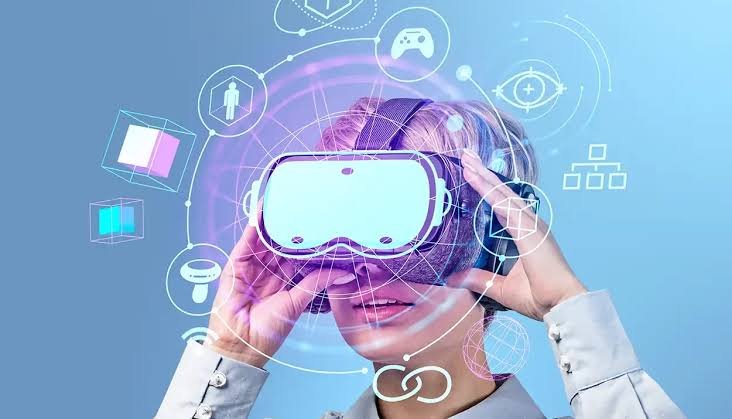
Virtual reality creates a computer-generated environment that surrounds you. A headset blocks out the real world and replaces it with digital sights and sounds. Sensors track your head movements so the scene responds when you look around or lean in.
Modern systems often add hand tracking or controllers. Some include spatial audio that changes based on where you turn your head. The result feels more like being inside a space than watching a screen.
VR differs from augmented reality, which layers digital objects onto the real world, and from mixed reality, which lets virtual and physical objects interact. Full VR replaces your surroundings completely.
Why VR Matters
VR matters because it changes how people experience information and entertainment. Training programs use it so workers can practice high-risk tasks without real danger. Doctors rehearse procedures. Teachers take students on virtual field trips.
For entertainment, the immersion is the draw. Games, films, and social spaces feel more present when you stand inside them. The market continues to grow even as some headset sales slow, with interest shifting toward mixed reality and lighter devices.
The technology also supports remote collaboration. Teams in different cities can share the same virtual workspace and interact with 3D models as if they were in the same room.
How VR Works
A typical VR system relies on a few core pieces:
- A head-mounted display with high-resolution screens and lenses that create depth.
- Tracking sensors that follow head position and rotation.
- Controllers or hand tracking for interaction.
- Processing power, either inside the headset or from a connected computer.
- Software that renders the scene in real time with low latency.
Standalone headsets handle everything onboard. PC-tethered models use a powerful computer for higher detail. Cloud streaming is also growing, sending rendered frames over a strong connection so the headset does less heavy lifting.
Latency stays critical. If the image lags behind your movement, the experience breaks and can cause discomfort. Modern devices keep this delay under control through better sensors and faster processors.
Who Uses VR?
Gamers still form a large group, but the user base has widened. Enterprise teams use VR for training and design review. Healthcare professionals apply it for therapy and simulation. Educators bring it into classrooms. Fitness users follow guided workouts in virtual environments.
Casual users pick it up for movies, social hangouts, or short experiences. The barrier to entry dropped with more affordable standalone headsets, so more people try it without a high-end PC.
VR Headsets: Features and Performance
Popular options in 2026 include the Meta Quest series, which dominate consumer use with solid mixed reality passthrough and wireless freedom. Higher-end choices like the Apple Vision Pro deliver sharper displays and advanced spatial computing. Sony’s PlayStation VR2 focuses on console gaming.
Key features to check:
- Display resolution and refresh rate for clarity and smoothness.
- Field of view so the image feels wide enough.
- Comfort and weight for longer sessions.
- Battery life on standalone models.
- Tracking accuracy, both inside-out and for hands.
- Compatibility with existing software libraries.
Performance has improved. Higher resolutions reduce the screen-door effect. Better optics and processing cut motion sickness for many users. Passthrough cameras now support mixed reality modes that blend virtual objects with real surroundings.
Streaming in VR
Streaming lets users access content without large local downloads. High-speed internet delivers games, videos, and live experiences. Some platforms render scenes in the cloud and send the finished frames to the headset.
This approach helps lower hardware requirements. It also supports live events and interactive sessions. Bandwidth and connection stability matter. A weak link causes stuttering or reduced quality. Many services offer adaptive streaming that adjusts based on network conditions.
Mixed Reality Explained
Mixed reality sits between full VR and simple overlays. Cameras on the headset capture the real world and pass it through to the displays. Virtual objects can then sit on real tables, bounce off walls, or respond to physical movement.
Devices like the Quest 3 make this accessible. Users can keep one eye on their room while interacting with digital content. This reduces isolation and opens practical uses such as placing virtual screens in a physical workspace or guiding repairs with overlaid instructions.
Digital Entertainment in VR
Entertainment remains a major driver. Games range from action titles to calm exploration. Social platforms let people meet as avatars. Virtual concerts and sports viewing put audiences closer to the action.
Film and video experiences use 180-degree or 360-degree formats. Some content is interactive, letting viewers influence the scene. Mature entertainment exists as one category among many. Platforms focused on adult VR content deliver high-resolution immersive scenes designed for privacy and personal viewing. One example is VRSpy, which offers streaming options in this space.
Privacy in VR
VR headsets collect more data than traditional screens. They track head and hand movements, sometimes eye gaze, and room layout through cameras. Voice data may also be processed.
Companies store this information for performance and personalization. Users should review privacy settings, limit data sharing where possible, and understand what each platform collects. Local processing on the headset helps, but cloud features often send data off-device.
Clear account controls and the ability to delete data matter. Public spaces and shared headsets raise extra questions about who can see activity logs.
Tips and Tricks
Start with short sessions to build comfort. Adjust the headset fit carefully so the image stays sharp without pressure points. Keep the play area clear and use guardian boundaries.
For better performance, close background apps and ensure good ventilation. Update software regularly. When streaming, wired connections or strong Wi-Fi 6 networks reduce lag.
Experiment with mixed reality modes if your headset supports them. They can make longer sessions feel less isolating.
Pros and Cons
Pros
- Strong sense of presence
- Useful for training and education
- Expanding content libraries
- Growing mixed reality flexibility
- Wireless options for freedom of movement
Cons
- Cost of quality headsets
- Potential for motion discomfort
- Limited battery life on many models
- Privacy considerations with sensors
- Content still uneven across genres
Benefits, Facts, Risks, and Opportunities
Benefits include safer skill practice, new creative tools, and accessible entertainment for people with mobility limits. Facts show Meta still holds a large share of consumer headsets while overall XR interest grows through lighter glasses and mixed reality.
Risks involve eye strain, balance issues in some users, and data exposure. Scam alerts appear around fake low-cost headsets, phishing sites that mimic legitimate VR stores, and overpromised “free” content libraries that demand payment later. Stick to established retailers and check reviews.
Opportunities exist in enterprise software, therapy applications, and higher-quality entertainment experiences. Better displays, lighter designs, and improved hand tracking continue to arrive.
Platform Insights and Mission
Some specialized platforms focus on particular entertainment niches. VRSpy centers on immersive adult VR content. Its team includes directors such as Alex Nash and works with performers to create longer, higher-resolution scenes. The stated approach emphasizes private viewing, streaming access, and technical quality up to 8K where available. Users interested in that category can review the site’s offerings and hardware recommendations directly.
Overall, VR technology keeps improving in clarity, comfort, and usefulness. The best results come from matching the right headset and content to your goals while staying aware of privacy and practical limits.

Alex Rivera is a content writer with a Bachelor’s degree in Journalism and Mass Communication and over two years of experience. He writes for Why Influencers Gone Wild, covering influencer culture, social media trends, viral stories, and the creator economy.